
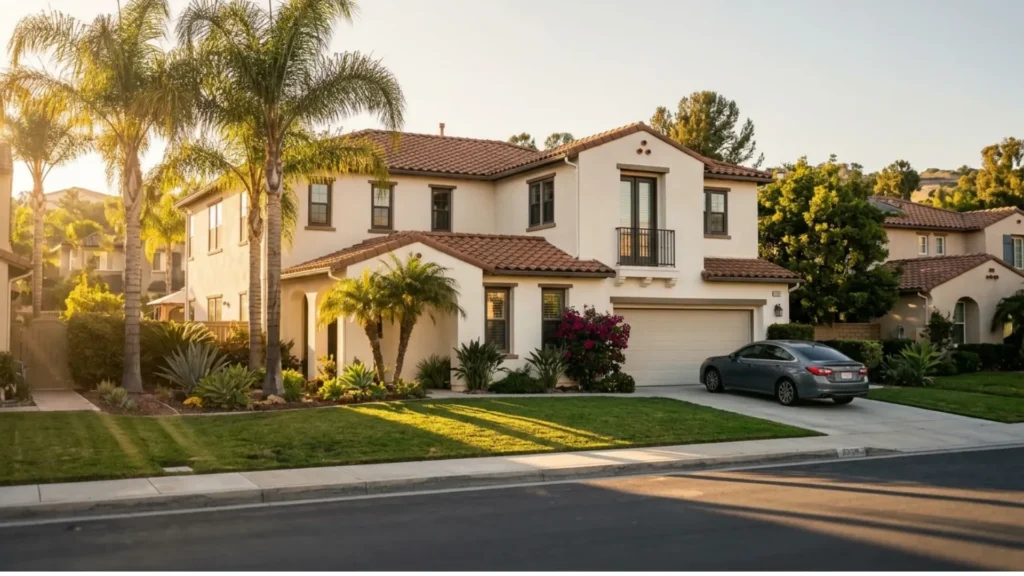
You bought a home together. You picked the paint, split the down payment (or didn’t), and figured marriage paperwork could wait. Now you’re separating, and you’re realizing something unsettling. There’s no divorce process for you, which means there’s no default rule telling you how to split the biggest thing you own.
I work with unmarried couples in exactly this spot. Here’s how the decision really works, and what you’ll want in writing before anyone moves out.
Why Unmarried Couples in California Don’t Get a Default Split
Married couples in California have community property rules. They’re not perfect, but they give everyone a starting point. Unmarried couples don’t get that. California also doesn’t recognize common law marriage, so ten years together doesn’t change the picture on its own.
That leaves you with two main things to work from: what the deed says, and what each of you actually contributed. Registered domestic partners are treated much more like spouses, so if you registered with the state, your situation is different and you’ll want an attorney’s input early.
How Title on the Deed Shapes Your Starting Point
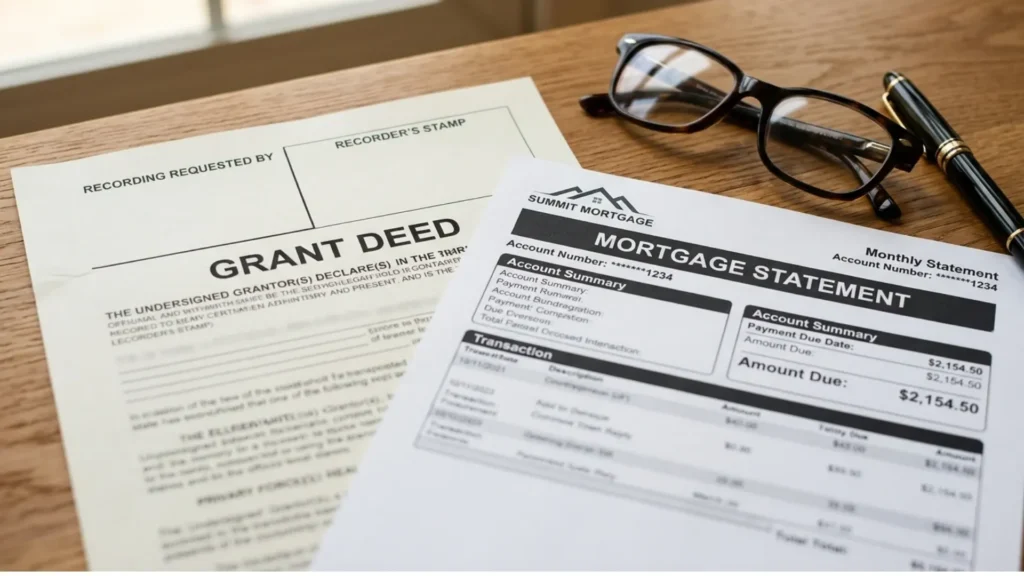
Pull out your deed. How you hold title matters a lot. If you’re listed as joint tenants, the law generally treats you as equal owners. If you hold title as tenants in common, the deed may list specific percentages. If only one of you is on title, things get more complicated, even if the other person paid toward the mortgage for years.
The deed is a starting point, not the final word. Plenty of couples hold title 50/50 but paid in very differently. That’s where the real conversation starts.
When Who-Paid-What Starts to Matter
Here’s a pattern I see all the time. One partner put $80,000 toward the down payment from an inheritance. The other covered more of the monthly bills for six years. Both feel like they’ve earned a bigger share, and both have a point.
There’s no formula that settles this automatically. Some couples decide a down payment gets repaid first, then the rest splits evenly. Others decide that years of shared payments evened everything out. The right answer is the one you both can live with, and that’s exactly what shared asset and property mediation is built for.
It also helps to look past the house. Maybe one partner paid more toward the mortgage, while the other paid for the car, the vacations or the remodel. When you put all of it on one page, the picture often looks more balanced than either of you expected, and that makes the conversation much easier.
Your Three Options for a Shared San Diego Home
Once you’ve looked at title and contributions, almost every couple lands on one of three paths. Each has trade-offs that are very specific to San Diego.
How to Agree on What the House Is Worth
Before you can choose a path, you need a number you both trust. This is where a lot of couples get stuck, because the person staying wants a lower value and the person leaving wants a higher one.
There are a few common ways to break that deadlock. You can hire one appraiser together and agree in advance to accept the result. You can each get a broker’s opinion and split the difference. Or you can agree on a method first, then let the number fall where it falls. Agreeing on the method before you see the number takes a lot of the emotion out of it.
Remember that the value isn’t the same as the equity. Subtract what’s left on the mortgage, plus any costs you agree to share, like repairs or selling costs. That final equity figure is what you’re really dividing.
One Partner Buys the Other Out
This is the most common choice when one person wants to stay, especially if kids or a short commute are involved. But a buyout in this market isn’t simple. You’ll need an agreed value, which usually means an appraisal or a broker’s opinion you both accept. Then the person staying needs to qualify for a loan on their own, which can be tough with current San Diego prices and rates.
There’s also a tax issue that surprises people. When married couples or registered domestic partners transfer a home between themselves, California generally doesn’t reassess the property tax. Unmarried co-owners usually don’t get that exclusion, so buying out your partner’s share can reset the property tax on the part you buy. On a home that’s been owned for years, that difference adds up. Talk to a tax professional or real estate attorney before you lock in a buyout price.

You Sell and Split the Proceeds
Selling is cleaner in some ways. Nobody has to qualify for a new loan, and the market sets the value. But you still need to agree on a lot. Who handles showings? Who pays the mortgage until it closes? What’s the lowest offer you’ll accept? How do the proceeds split after costs?
Couples who skip these questions often end up stuck, with one person dragging their feet on a sale they never fully agreed to.
You Keep Co-Owning for Now, With a Written Plan
Some couples decide not to sell yet. Maybe the market timing feels wrong, or one person needs a year to qualify for a loan. That can work, but only with clear rules. Who lives there? Who pays what? What happens if someone stops paying? When do you revisit the decision?
Without those answers in writing, “for now” tends to turn into a fight two years later.
What Your Home Agreement Needs to Cover
Whatever path you choose, put it in writing. A verbal deal feels fine when you’re both being kind. It feels a lot less fine eight months later when one of you has a new partner and the other one is still paying half the property tax.
Your written agreement should cover the home’s agreed value or how you’ll set it, how each person’s contribution is handled, who stays and who leaves and by when, who pays the mortgage, insurance and repairs in the meantime, and a deadline for the buyout, listing or next review.
Don’t Forget the Mortgage Lender
Here’s a detail that catches people off guard. Your agreement is between the two of you. Your lender isn’t part of it. If both names are on the loan, both of you stay responsible for the payments until the loan is paid off or refinanced, no matter what your agreement says about who owns the house.
So if one partner keeps the home, the agreement should include a deadline to refinance into their name alone, and a plan for what happens if they can’t qualify by then. Without that, the person who moved out can stay tied to a mortgage on a house they no longer live in for years. That can affect their credit and their ability to buy their next place.
Questions to Settle Before Anyone Moves Out
Moving out early can make sense emotionally. But try to answer these first:
Will the person leaving keep paying their share of the mortgage until things are settled?
Who keeps furniture, appliances and anything bought for the house?
Does the person leaving still have access to the home, and with how much notice?
What happens to shared bills, like utilities and internet, during the transition?
These sound small, but they’re often what breaks the peace. I’ve seen couples agree on a six-figure buyout in one session, then spend two more sessions arguing about a couch and a Wi-Fi bill. Settle the small stuff early and it stays small. Our non-married couple separation mediation covers the house and the everyday pieces around it, so nothing gets left to guesswork.
A House Is Easier to Split When the Rules Are Yours
Without a marriage, nobody hands you a rulebook. That’s scary, but it’s also freeing. You get to write rules that fit your actual relationship: who paid what, who needs to stay, and what feels fair to both of you. Court can settle this too, but it’s slower, more expensive and far less personal. In mediation, you decide. I’ll help you find the numbers, test the options, and turn your decision into a clear agreement your attorneys can review before you sign.
Talk Through Your Options in a Free Consultation
If you and your partner own a home together and you’re separating, let’s talk it through. Book your free consultation with Common Ground Mediation and we’ll map out which path fits your situation.