

Of all the decisions that come with a breakup, this one can feel the heaviest. Your embryos aren’t furniture or a bank account. They hold years of hope, money and medical appointments. And now that you’re separating, you have to decide what happens to them. I’ve been through IVF myself, so I know how personal this is.
Here’s what California law and your clinic paperwork already say, where they fall short, and how couples make this decision together.
What California Law Already Says About Your Embryos
Most people don’t realize they already made a decision about this. They just made it years ago, in a stack of clinic forms, at a time when separation felt impossible.
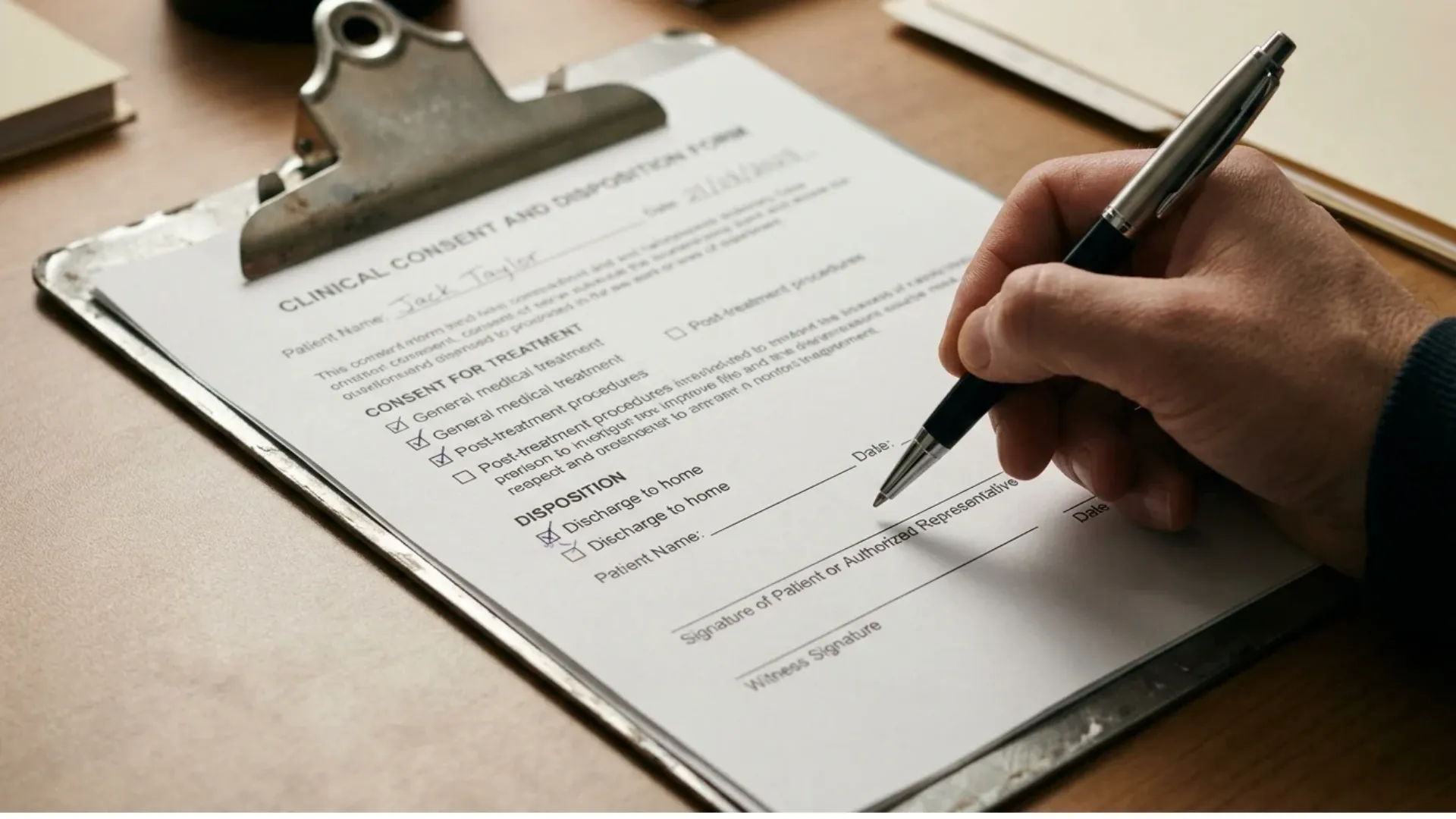
The Disposition Form You Signed at the Clinic
California requires fertility clinics to give patients a form that asks what should happen to their embryos if they separate, divorce, or one partner dies. The usual options are using the embryos, donating them to research, donating them to another person or couple, or thawing them without further use.
Go find your copy. If you can’t, call your clinic and ask for it. That form is the first thing any court, attorney or mediator will look at. Many couples are surprised by what they checked, or by the fact that they skipped the question entirely.
What Courts Have Done When Couples Disagree
When couples can’t agree and end up in court, California judges have tended to look closely at what the couple signed. In one well-known San Francisco case, Findley v. Lee, the court enforced the clinic consent form the couple had signed, even though one spouse later wanted to keep the embryos.
That’s a big deal. It means a box you checked in a waiting room, possibly in a rush, may decide the outcome. It also means that going to court doesn’t usually give anyone a fresh start. It mostly enforces the paperwork, and it does so slowly, publicly and at real cost.
Why Embryos Aren’t Treated Like Other Property
Embryos sit in a strange place in the law. They’re not children, but they’re not like a car or a bank account either. Courts can’t simply split them down the middle or assign a dollar value and move on. That’s part of why judges lean so heavily on the contract you signed. It’s the clearest evidence of what you both intended.
It also explains why these cases feel so unsatisfying when they go to court. A judge is deciding something deeply personal using documents that were never written for your exact situation. Even the “winner” often walks away feeling the outcome missed what really mattered.
Where Your Clinic Paperwork Falls Short
Clinic forms are written to be simple. Your life isn’t. Here’s where the gaps usually show up.
When the Form Is Silent or Out of Date
Some forms only address divorce, not separation between unmarried partners. That leaves many couples without a clear answer at all. If you were never married, you might not even have a divorce case where the question can come up, which makes a private agreement even more important. Others were signed before a big change, like a new diagnosis, a later round of IVF, or a child born from earlier embryos.
There’s also a practical deadline that sneaks up on people. Embryo storage fees are often billed every year. When that bill shows up, someone has to decide whether to pay it, and that’s often when the conflict starts. If one partner simply stops paying, the clinic’s own policies may kick in, which may not be what either of you wanted.

When One Partner Wants to Use the Embryos
This is the hardest version. One of you wants to try for a child with these embryos, maybe because age or health makes new embryos unlikely. The other doesn’t want to become a genetic parent outside the relationship.
Both feelings are deeply valid. There’s no magic phrasing that makes this easy. But there are real options that couples sometimes don’t consider until they’re in a calm room together, like a time-limited hold while each person gets independent legal advice, or a written agreement about parental rights and contact if embryos are used.
This is also where same-sex couples and couples who used donor gametes face extra layers, especially around who has a genetic link and who doesn’t. If that’s you, our LGBT couple and family mediation was built with families like yours in mind.
How Embryo Mediation Helps You Reach a Decision Together
Mediation doesn’t replace legal advice. It gives you a structured place to make a decision, with both of your attorneys able to review the result. Most importantly, it lets you talk about the emotional side of this choice, which no court will make room for.
In embryo and fertility mediation, we start by understanding what you each signed, what you each want now, and why. That “why” usually matters more than the position. “I want to keep them” might really mean “I’m afraid this is my last chance to be a parent.” “I want them destroyed” might really mean “I’m afraid of being tied to you forever.” Once those fears are said out loud, options open up.
I also keep the pace gentle. These sessions are often shorter, with breaks built in, because decisions like this shouldn’t be rushed. Some couples reach an answer in one meeting. Others need time between sessions to sit with what they heard. Both are completely normal, and on Zoom you can do that from home in Escondido or La Jolla without facing a drive after a hard conversation.
What you leave with is a written decision that both of you understand, and that your attorneys and clinic can act on. No surprises later, and no guessing about what the other person meant.
What We Cover in an Embryo Decision Session
Every situation is different, but these are the questions we typically work through:
- What does your clinic consent form say, and do you both still agree with it?
- Who pays storage fees in the meantime, and for how long?
- Is either of you hoping to use the embryos, and on what terms?
- Would donation to research or to another family feel right to you both?
- Do you need a time-limited hold while you get independent legal advice?
- How will you communicate your decision to the clinic, and who signs what?
We also coordinate with the clinic process and with your attorneys when needed, so your decision actually gets carried out. For couples still together but struggling with these choices, our IVF communication and decision-making support can help before things reach a breaking point.

How to Prepare for the Conversation
You don’t have to have your answer figured out before we meet. But a little preparation helps you get more out of the session.
Start by getting a copy of your clinic consent form and your most recent storage bill. Note how many embryos are stored and at which clinic. Then spend some time alone with a few questions. What would you feel if the embryos were used? If they were donated? If they were discarded? Which of those feels unbearable, and which feels sad but possible?
It can also help to talk with your own counselor or a trusted friend first, especially if this brings up grief about the relationship or the IVF journey itself. Coming in with some of that processed gives you more room to listen to your partner, and to be heard yourself.
Your Embryos Deserve a Decision You Both Made
You may be able to let a form or a judge decide this. But you’ll live with the outcome for the rest of your life, so it’s worth getting it right. When couples sit down together with support, they often find an answer neither expected, one that respects what each of them went through to create those embryos. That doesn’t erase the grief of a breakup. It does mean you leave knowing the decision was yours. And if the storage bill is already on its way, now is the time to start that conversation.
Start With a Private, Free Consultation
If you’re separating after IVF and need to decide what happens to your embryos, book a free, confidential consultation with Common Ground Mediation. We’ll talk through your situation and how we can help you decide together.